

Summary
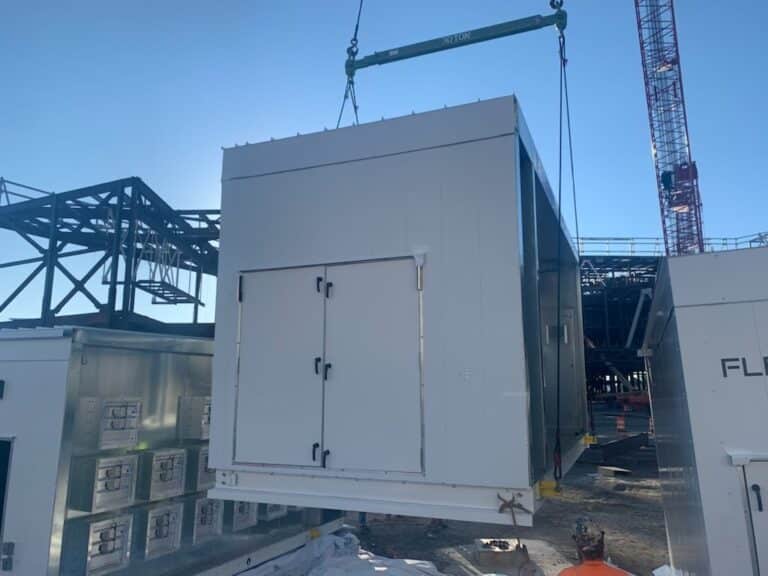
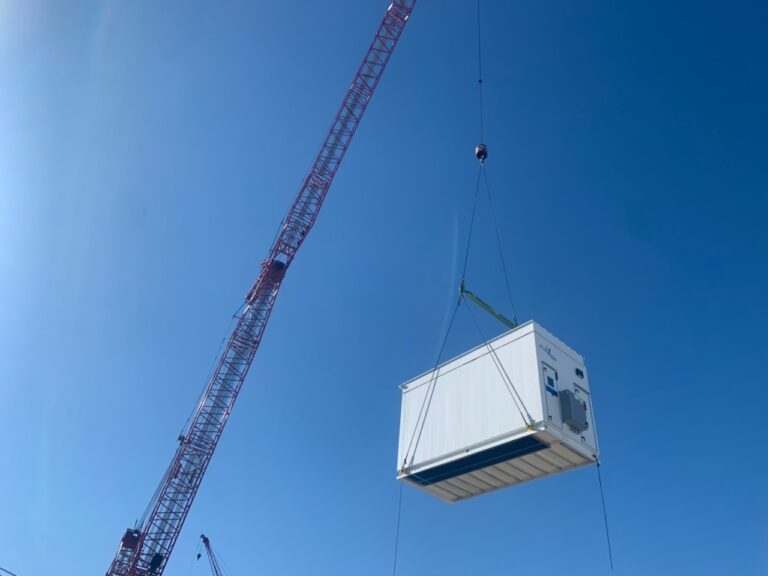
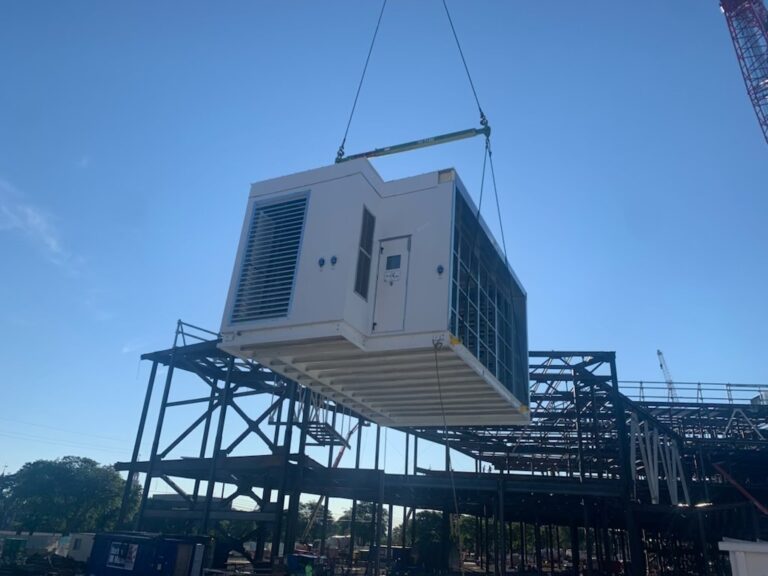
Ford's plant expansion required 54 air handling units (AHUs), including 35 outdoor units exposed to harsh winter conditions. Traditionally, glycol would be used to prevent coil freezing. However, Ford sought a more energy-efficient, environmentally friendly solution aligned with their green initiatives. The project team replaced glycol with Cooney’s patented Freeze Block™ coils and Smart Coil systems, providing freeze protection without compromising system performance or sustainability.
Challenge
Finding an Efficient Alternative to Glycol
Outdoor AHUs are prone to freezing during Michigan’s brutal winters. While glycol is commonly used to prevent this, it adds operational cost, reduces heat transfer efficiency, and conflicts with the automotive manufacturer’s environmental goals. A smarter, more sustainable freeze protection system was needed.
Solution
Smart, Glycol-Free Freeze Protection
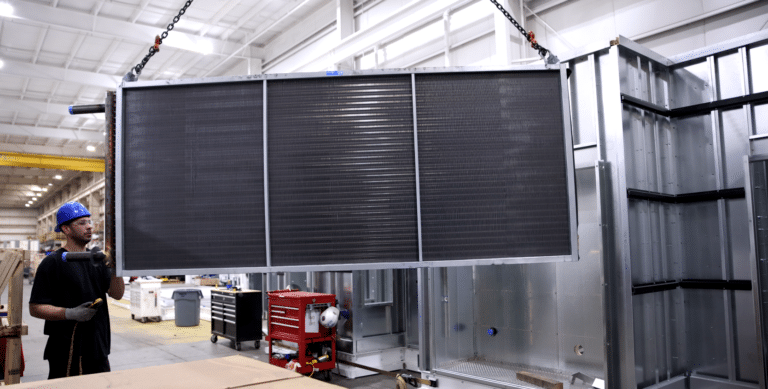
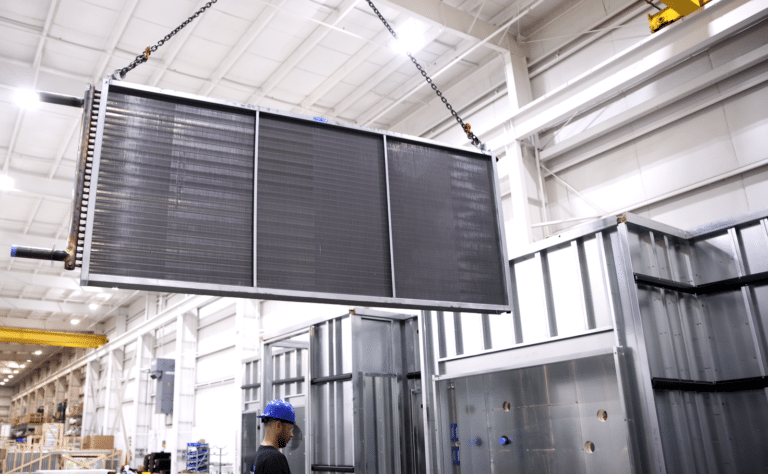
The engineering team sought a solution to eliminate glycol in order to increase efficiency. As a result, all hot water and chilled water coils on the outdoor AHUs have Freeze Block Technology installed and utilize water. This patented technology allows the coils to freeze without rupturing, while the Smart Coil system monitors when freezing events occur and triggers the building automation system to run a sequence of events to save the system from damage.
In total, the project included:
- 35 outdoor AHUs with Freeze Block™ coils and Smart Coil monitoring
- 19 indoor AHUs with hot water, chilled water, and energy recovery coils
Results
The Freeze Block™ solution allowed Ford to meet energy efficiency and sustainability goals while protecting critical HVAC infrastructure from cold weather damage, without relying on glycol.
- Eliminated glycol and associated energy penalties (degraded heat transfer, pumping cost, etc)
- Aligned with green building goals
- Smart monitoring with real-time alerts via Smart Coil
- Lower operating costs and improved thermal performance