Flash steam is the steam that forms when hot, high-pressure condensate drops into a lower-pressure area and part of it instantly vaporizes. It looks harmless. In practice, every pound of flash steam vented is heat your boiler already paid for, leaving the system.
If you run a steam plant, you have seen it: a plume off a vent, a receiver that runs hot, pumps that fail earlier than they should. This is what that plume is costing you, and how to keep the energy in the loop.
What Is Flash Steam?
Flash steam forms when high-pressure condensate is released into a lower-pressure area. The sudden pressure drop makes part of that condensate flash back into steam. It carries a higher moisture content than boiler steam, so it condenses on surfaces and mixes into the surrounding air instead of doing useful work.
You will find it where pressure changes most: at traps, heat exchangers, and condensate receivers. It is a normal part of how steam systems behave. It is also a reliable sign that usable energy is walking out of the system.
Why Does Flash Steam Occur?
Flash steam primarily occurs because of sudden pressure drops, but it can also result from other factors, such as:
- Poor Insulation: Insufficient thermal insulation on pipes and equipment allows condensate to cool quickly, leading to pressure drops.
- Improper System Design: Incorrect sizing of components like valves and pipes can worsen pressure changes.
- Air and Moisture Leaks: Introducing air into the steam system can cause pressure imbalances, making flash steam more likely.
- Maintenance Issues: Wear and tear from lack of maintenance can lead to conditions that promote flash steam formation.
These factors highlight the importance of designing systems carefully and ensuring their proper upkeep.
Why is Flash Steam a Problem?
The effects of flash steam go beyond inefficiency. It can drive up costs, damage equipment, and create unsafe working conditions.
Energy Efficiency Loss
Every pound of flash steam vented is heat energy wasted that could have been directed toward heating needs.
When condensate undergoes a pressure drop, a portion flashes into steam, carrying away valuable heat. If vented to the surroundings, this heat energy is lost, reducing overall system efficiency. To compensate, the system must generate additional steam, increasing fuel consumption, water usage, and operational costs.
Higher Maintenance Costs
Equipment exposed to flash steam endures more wear and tear. The rapid expansion and high velocity of flash steam can erode pipes, valves, and gaskets, leading to a higher risk of leaks and breakdowns. Over time, the damage caused by flash steam can lead to more frequent repairs and even premature failure of critical equipment, such as condensate pumps. High-temperature condensate, especially above 180°F, accelerates this process, causing pump seals to fail faster.
Safety Risks
Flash steam also poses serious safety hazards if not managed. Rapid expansion can create backpressure in the condensate return system, possibly damaging equipment or leading to system failure. Exposed flash steam can cause burns, and in colder months, water buildup from vented steam can freeze, making surfaces slippery and dangerous for workers. These risks make it crucial to control flash steam effectively.
Managing and Preventing Flash Steam
Controlling flash steam begins with proper system design, maintenance, and the use of advanced solutions. Here’s how you can minimize or eliminate its occurrence:
Design and Maintenance Considerations
- Proper Insulation: Use high-quality thermal insulation to maintain stable temperatures and avoid rapid cooling.
- Correct Sizing: Ensure pipes, valves, traps and components are correctly sized to minimize pressure drops.
- Pressure Relief Systems: Add pressure relief valves to control sudden pressure changes and protect equipment.
- Routine Inspections: Perform regular system audits, check condensate traps and relief valves, and ensure vent pipes are clear of blockages.
Optimize Operating Conditions
Maintaining stable steam pressure and temperature reduces the potential for flash steam. Lowering condensate temperatures to below 180°F can protect equipment while reducing wear on condensate pump seals. Proper system monitoring helps achieve this balance.
Flash Recovery Systems
Flash vessels are designed to capture flash steam as it forms and reuse its energy for heating or other processes. This prevents energy loss, reduces strain on the system, and lowers operational costs. Modern systems, such as heat exchangers or thermal condensers, are also safer and more effective compared to older recovery methods, which sometimes caused system imbalance or shock.
Subcooling and Thermo-Pack
Subcooling is the process of removing extra heat from condensed steam after it has already given up its latent heat. By pulling that additional heat out, subcooling keeps condensate from flashing back into steam and puts the recovered energy back to work in your system.
The Thermo-Pack™ steam-to-water heat exchanger is built around this principle. Steam gives off its heat, condenses, then keeps cooling so the system recovers energy a traditional shell-and-tube unit would send up a vent.
What Subcooling With Thermo-Pack Does for Your System
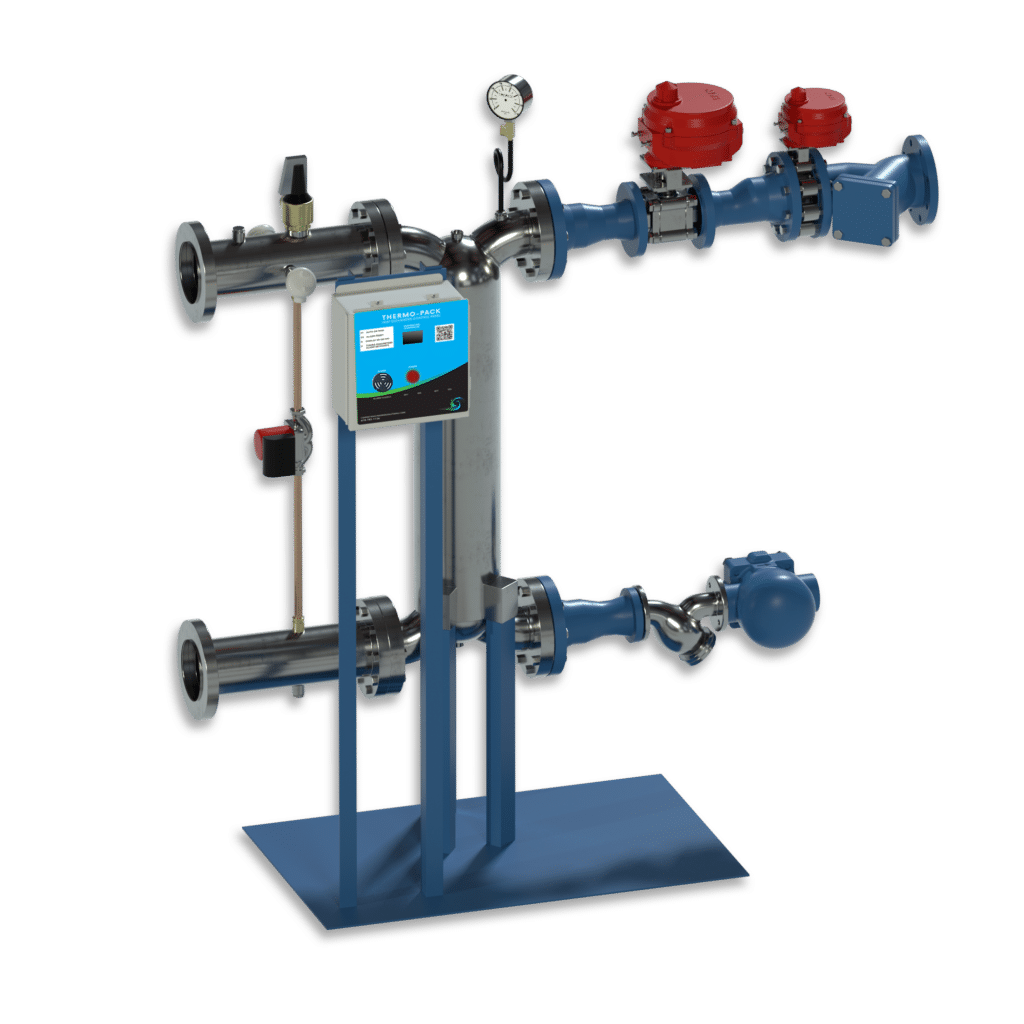
- Captures more usable heat. Thermo-Pack pulls both latent and sensible heat from the condensate, so more of every pound of steam does real work. That is where the 10 to 15% energy savings over a comparable shell-and-tube exchanger comes from.
- Extends equipment life. With 0% flash steam, you avoid the water hammer, vent blow-off, and pump stress that wear a system down. Less wear means less spent on repairs and replacements.
- Meets district energy return limits. Thermo-Pack subcools condensate below 140°F, which helps district systems meet return-temperature requirements without quenching.
Thermo-Pack is a fully welded 316L stainless steel exchanger, ASME rated to 300 PSI and 422°F, delivered as a skid-mounted package sized for your facility rather than pulled from a catalog.
Keep the Energy in the Loop
If your steam system is venting flash steam, it is venting money. Cooney Technologies designs steam-to-water systems that recover that heat instead of losing it.
Steam Systems