Quick Jump
You know how your building normally behaves. You know which rooms run cold. You know which steam trap makes that noise. You know which air handler takes longer than it should to reach temperature.
That familiarity is not the same as normal operation.
Most heating problems do not announce themselves as failures. Instead, they become the rhythms your maintenance team works within—patched coils, adjusted schedules, accepted performance gaps. By the time peak heating season arrives, your team has already adapted.
A brief walkthrough now, while you still have time to measure and plan, can uncover equipment that needs attention before winter.
Start With the Problems Your Team Works Around
Before you check the equipment itself, list the heating-system quirks your team has accepted as normal:
An air handler that never quite reaches discharge-air temperature is not a training issue. It is often a coil problem, a control problem, or an undersized application—all of which worsen when outside air temperature drops.
A coil that leaks once is a coil failure. A coil that has been sealed, brazed or patched more than once is a coil working beyond its design life. Cold weather will stress it further.
Recovery time tells you something. A heat exchanger that has gradually become slower to reach setpoint, or that struggles in cold weather, may have internal scaling, tube damage or deteriorating performance that accelerates under load.
A steam trap that continuously blows through or remains ice-cold to the touch is not performing its job. It is not "normal." It is a chronic leak that wastes energy and heat potential every day.
Heating Coils
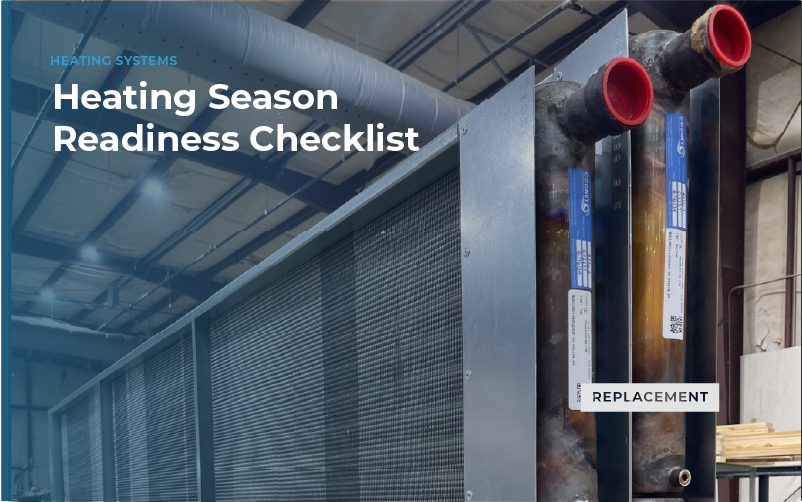
Coils are the most common heating-equipment problem, and the most straightforward to address.
Steam Systems
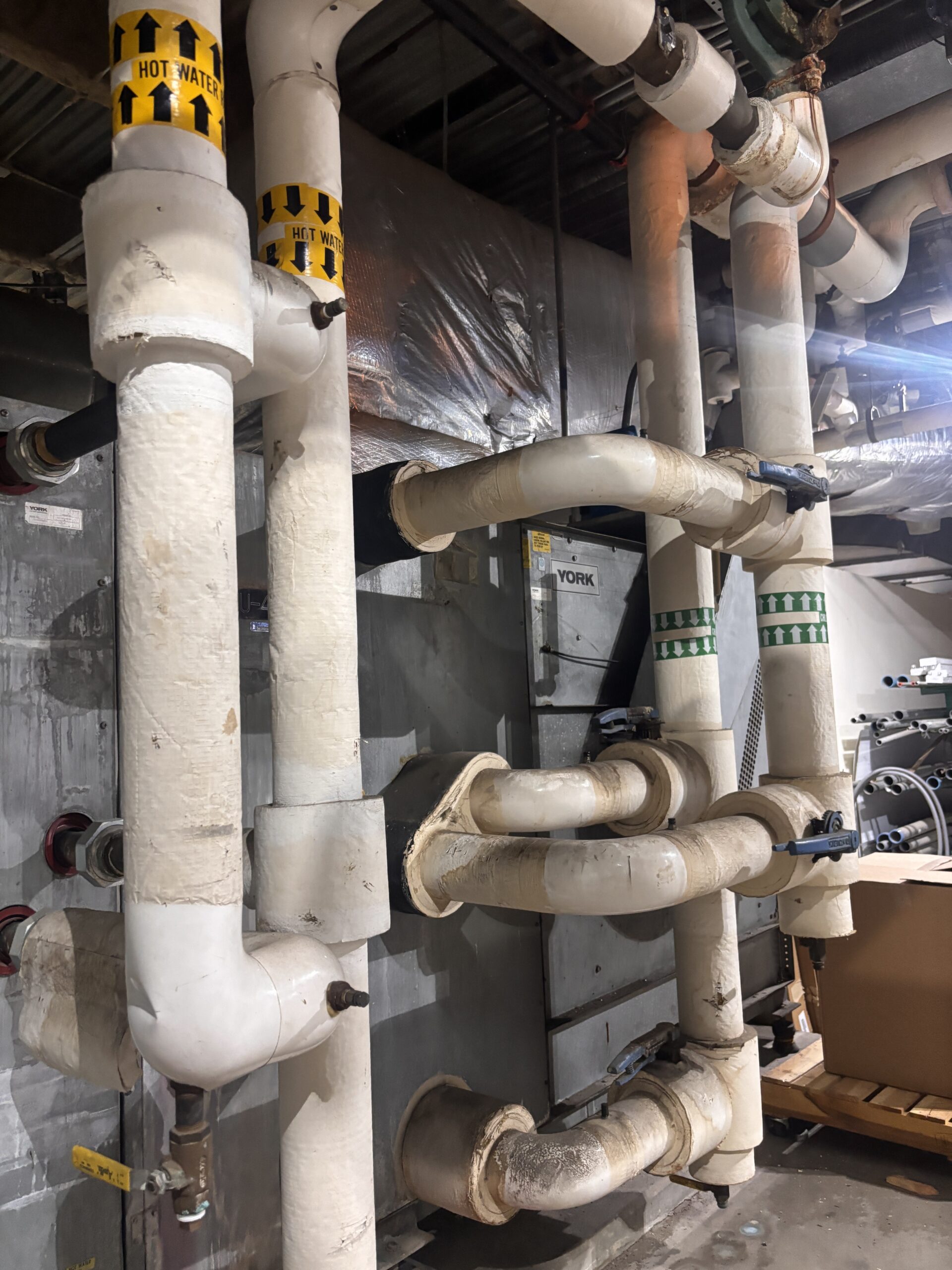
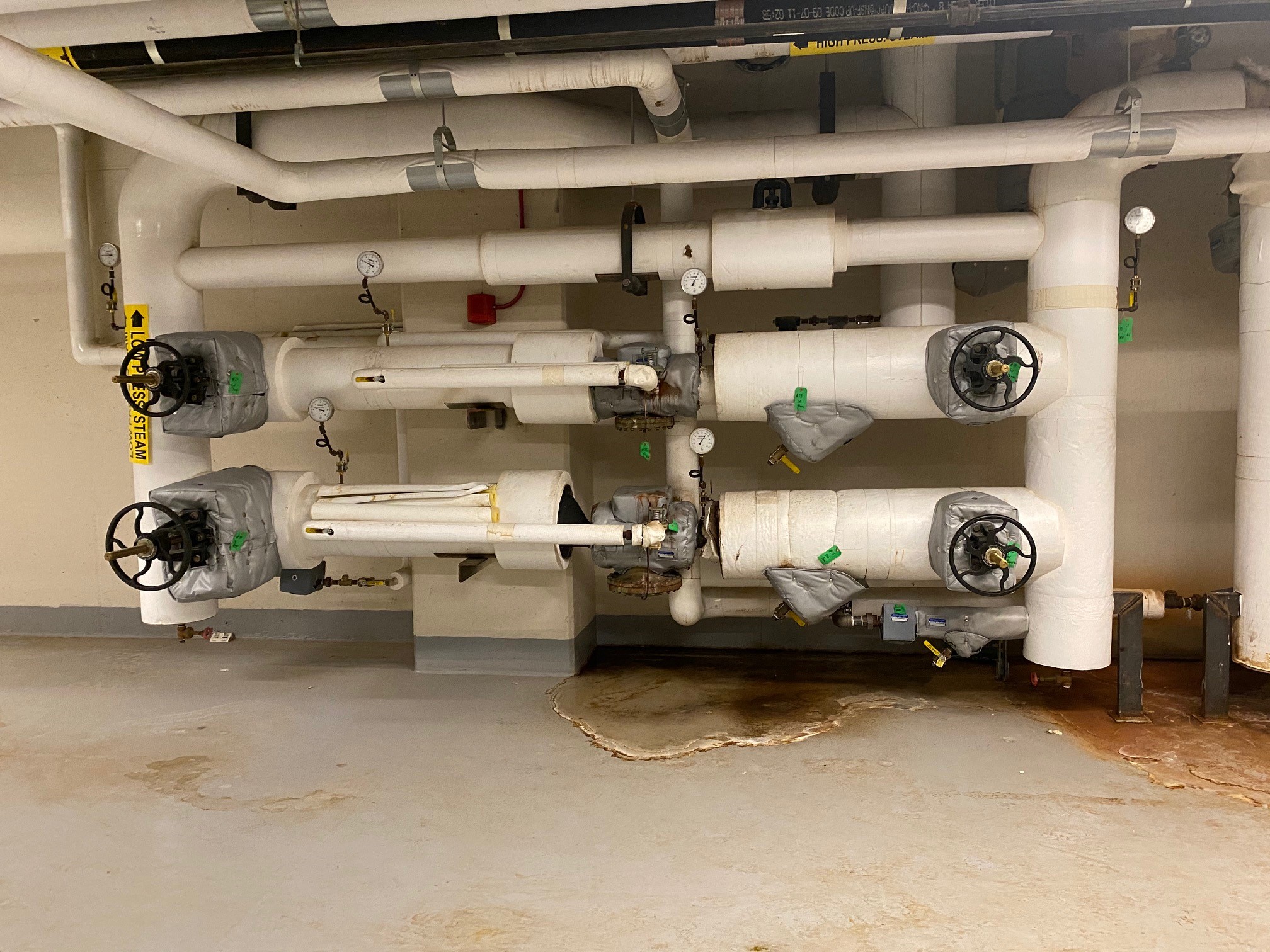
Steam-system problems are often treated as minor because steam is distributed throughout the facility. In reality, a steam system working below design efficiency affects every space it heats.
Heat Exchangers
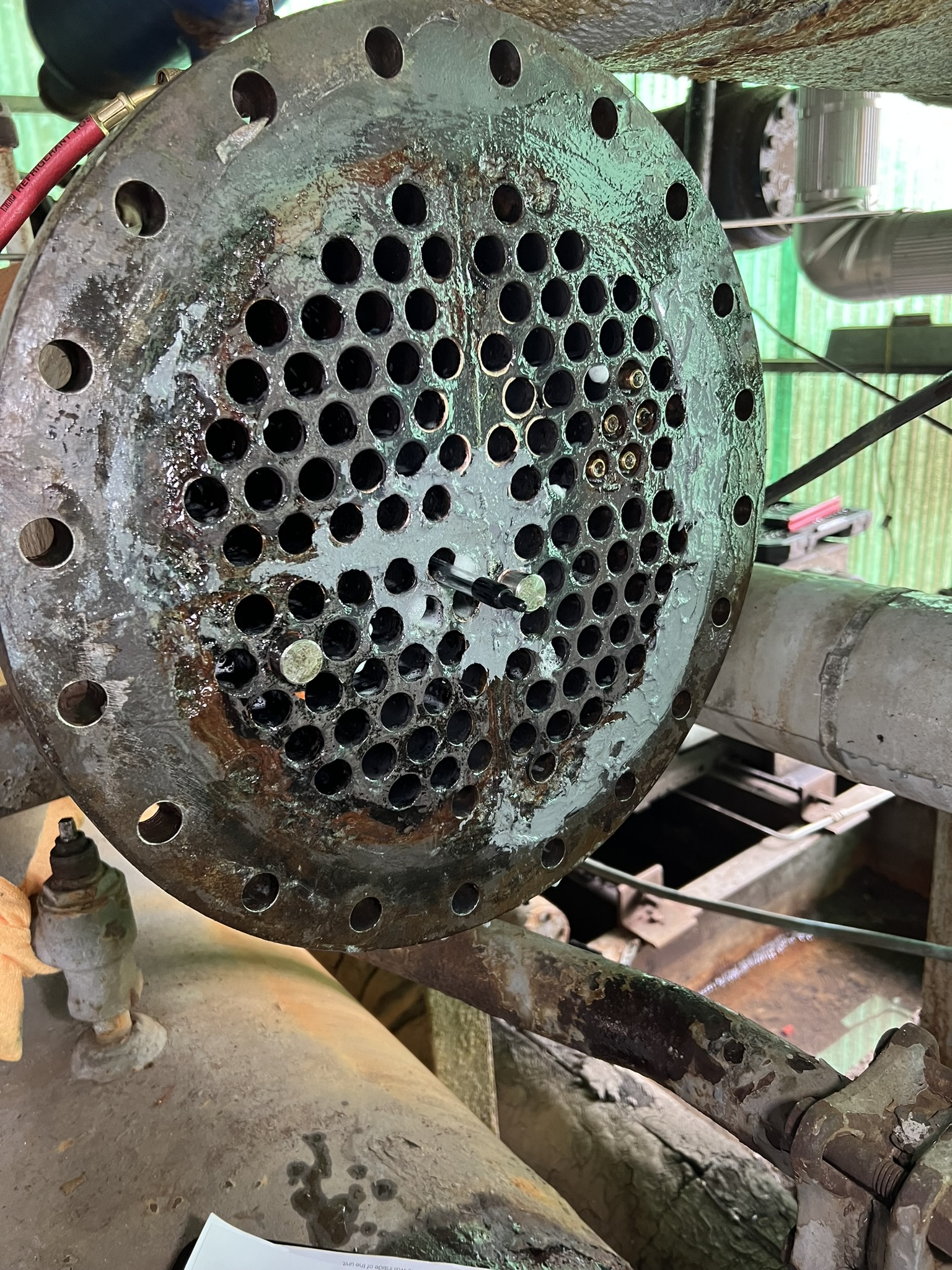
Heat exchangers with serviceable shells can often be restored with a new tube bundle rather than a complete replacement.
Decide What Needs Attention Before Winter
Once you have completed your walkthrough, you have enough information to make a decision:
Do not enter another winter with known failure modes. A replacement coil or tube bundle installed and tested now removes the risk.
Coils that have been patched more than once, steam traps that are not functioning, or heat exchangers losing performance are equipment that will likely fail or underperform during peak demand. Measuring the existing application now gives you time to specify the right replacement.
You may have accepted lower performance because the facility has adjusted schedules or zoning to work around it. Entering heating season with equipment you know is undersized creates risk.
If you are uncertain whether a coil is adequate for the application, or whether a steam system is properly balanced, an on-site assessment removes the guesswork before cold weather tests the system.
Bring In Cooney When You Need a Second Look
Your walkthrough answers the first question: Is this equipment normal, or is it a problem my team has learned to work around?
An on-site assessment answers the second question: Is this equipment adequate for the application, and what is the right next step?
Cooney's local team can visit your facility, measure the existing equipment and application, and help determine whether your heating system is ready for winter or needs attention.
We measure coils to confirm fit and performance capacity. We evaluate steam-system balance and control. We inspect tube bundles and heat exchangers to distinguish a cleaning opportunity from a replacement need. And we can help you plan the replacement on your timeline—with lead time that works for your operations.
More importantly, when we measure your equipment, we guarantee it. If we say the coil is adequate for the application, we back it. If we recommend replacement, we know exactly what you need.
Ready to Make a Move?
Let us walk through your heating system with you. We'll help you distinguish normal operation from equipment working beyond its design life.